February 13, 2014

Being a GF kid

By Kim Weaver
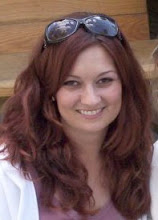
Photo: Casey Martin
Celiac disease can be a rough road, especially for children. They can’t eat the same things other children eat. Other kids and even adults may not understand that something that seems so normal to them, such as a cupcake or slice of pizza, can cause serious pain for a child with celiac disease. But once someone with the disease adjusts to a new way of life, handling everyday activities becomes more manageable. Celebrate Gettysburg asked 16-year-old McKenzie Shank of Dillsburg, who has been living with celiac disease since 2005, how she focuses on life with celiac disease.

CG: Are you angry that you have celiac disease?
MS: At first, I was upset. But now I think it’s cool to have celiac disease. I’m teaching my friends about it, and they will tell me if they see something at the store that’s gluten-free. My family is [a] huge supporter. I’m really positive.     
CG:
What special challenges do you have that none of your classmates have?
MS: Lunches. From sixth grade to now, I’ve had no single lunch ever at school. I pack my lunch because I’m afraid of cross-contamination. When I was in elementary school, I would take in a gluten-free pizza crust and a pan and the kids would ask me what it is. They would ask me why I couldn’t have regular food, and I would tell them I was allergic, but celiac disease isn’t an allergy, it’s a disease. I just wanted to stand in line like everyone else, but I couldn’t. I also have to take my own food everywhere.

CG: Do you read labels or do you leave that up to your mom?
MS: At about third grade, my mom taught me how to read labels. It’s second nature to me now. If I see an ingredient I don’t understand, I’ll ask my mom. She has done a lot of research about celiac disease.

CG: How do you handle eating at a restaurant?
MS: We go online and do research beforehand. We look at the menu. Most restaurants are open to gluten-free diets, but some don’t know what we’re talking about. I’m afraid of cross-contamination, so sometimes I get up and leave because I don’t want to make everyone else miserable. I don’t eat out a lot.

CG: Do you ever intentionally or accidentally deviate from your diet?
MS: During sports season, soccer and track and field, I’m strict. I know the consequences. But other times, if I really want something, maybe I’ll eat it. Then I will have bloating or I get dizzy. My cheeks might flush and I’ll get a rash. I’ll have stomach pain. It takes a full day to get out of my system.

CG: You are planning a career in medicine. How will you avoid the possibility of cross-contamination in the college campus restaurant?
MS: I hope to find a college that will accommodate my special diet. Celiac disease is more prominent now. I was at the University of North Carolina for 10 days last year and the chef understood my special needs. I know that more and more colleges will offer foods that are gluten-free.

CG: What advice do you have for other kids with celiac disease?
MS: Embrace it. You have it and can’t get rid of it. Educate people so they can educate other people. Be positive.

Coping with Celiac Disease

  • Work with a registered dietitian. That way, you’ll be sure to meet all your nutritional needs while totally eliminating gluten from your diet.
  • When in doubt, ask. Call food companies and ask them about their manufacturing process and the steps they take to ensure gluten-free products.
  • Watch the cost. Gluten-free products tend to be more expensive than foods with gluten. Bargain shopping and coupons come in handy when you cut gluten out of your diet.
  • Ask your pharmacist to find out if your medications contain gluten. If they do, ask your health care provider about alternatives.
  • A gluten-free diet is not a weight loss diet. Weight loss is simple math and occurs when a person burns off more calories than they are consuming. A gluten-free diet can contribute to excess calories, just like a gluten-containing diet can.

Source: WebMD

February 10, 2014

#CGGivesBack for Random Acts of Kindness Week

By Alyson Mucha

At Celebrate Gettysburg, we value the kindness towards friends, neighbors, visitors, and strangers demonstrated daily by the people of Adams County. We believe in giving back, and we want to give back to you, the members of our great community. So keep an eye out for our Celebrate Gettysburg helpers, who will be spreading kindness in local businesses, public service buildings, and on the streets during Random Acts of Kindness Week, February 10 – 16, 2014.

Sponsored by the Random Acts of Kindness Foundation, the week is dedicated to stepping out of your daily routine and going out of your way to be kind to other people. The goal is to go beyond daily kindness and inspire people to pass it on.

Do you love this as much as we do? We challenge you to perform one act of kindness each day throughout the week, whether at home, at work, or in the community! One small act of kindness could completely turn around someone’s day and is sure to brighten yours as well. Take pictures, make a video, or just tell us your good deeds on social media using the hashtag #cggivesback.

 Have fun and start spreading the kindness – we’ll be right there with you!


12 Random Acts of Kindness 

1. Bring in donuts, bagels, or coffee for co-workers. You’ll all have a better day after a good breakfast.
2. Pay for someone’s order at a coffee shop. Nothing’s better than starting a day off with a free cup of coffee!
3. Volunteer your time at a local charity. After all, every little bit helps.
4. Go out to dinner and give your server a big tip. They have a hard job!
5. Call or write to a family member you haven’t seen or spoken with in a while.
6. Give someone a genuine complement. Who doesn’t love to be told how great they look today?!
7. Give a fast food restaurant gift card to a homeless person.
8. Cook a special meal for your family. Good food and family time—that’s two acts of kindness in one!
9. Take baked goods to your local fire or police station to thank them for working tirelessly to keep our community safe.
10. Share a great book that you have read with a friend. That’s perfect for curling up with on these cold winter nights.
11. Send letters or care packages to soldiers defending our country.
12. Fill a parking meter downtown on a busy day. We all know the pain of finding the perfect spot only to realize you have no change.

January 2, 2014

Edible Enlightenment January February 2014 Stock Options


Winter is an excellent time for preparing your own homemade stocks. In our Edible Enlightenment Department of Celebrate Gettysburg's January/February 2014 issue, we discuss some basics of preparing your own stocks. You'll find recipes for Beef Stock and Vegetable Stock below; see page 31 of the January/February issue for the Homemade Chicken Stock recipe.

Beef Stock
The butcher can cut veal bones into small pieces for you. This beef stock is great as a base for quick, homemade soups any time.

Makes about 7 cups
  • 3 sprigs fresh flat-leaf parsley
  • 3 sprigs fresh thyme or 1/4 teaspoon dried
  • 2 sprigs fresh oregano or 1 teaspoon dried
  • 1 dried bay leaf
  • 5 whole black peppercorns
  • 2 pounds beef shank cross cuts
  • 2 pounds veal bones, cut into small pieces
  • 1 small onion, peeled and quartered
  • 1 medium carrot, cut into thirds
  • 1 medium celery stalk with leaves attached, cut into thirds
  • 1 cup dry red wine
  1. Preheat the oven to 400 degrees Fahrenheit. Tie the parsley, thyme, oregano, bay leaf, and peppercorns in a piece of cheesecloth to make a seasoning packet. Set aside.
  2. Arrange the beef shank, veal bones, onion, carrot, and celery in an even layer in a large roasting pan. Roast, turning ingredients every 20 minutes, until the vegetables and the bones are deep brown in color, about 1 1/2 hours. Transfer the meat, bones, and vegetables to a large Dutch oven, and set aside. Pour off the fat from the roasting pan, and discard. Place the roasting pan over medium heat on the stove. Add the red wine, and stir, using a wooden spoon to loosen any browned material from the bottom of the pan; boil the mixture until the wine becomes reduced by half, about 10 minutes. Pour the mixture into the Dutch oven.
  3. Add 6 cups cold water to the Dutch oven, or more if needed to cover bones. Do not reduce amount of water; cover and bring to a boil, then reduce the heat to a simmer so that bubbles only occasionally rise to the surface. Add the reserved seasoning packet. Skim foam from the broth's surface. Continue to simmer the broth over low heat for 3 hours. During simmering, a foam will form on the surface of the liquid; skim off with a slotted spoon. Repeat skimming as needed. Add water if at any time the level at the surface of the broth drops below the bones.

Vegetable Stock
You can vary the vegetables used in this stock to add a depth of flavor and complexity to your finished product. 

Makes about 8 cups
  • 6 large carrots, washed and cut into large pieces
  • 1 head of garlic, unpeeled
  • 3 medium onions, peeled and quartered
  • 4 turnips, washed and cut into large pieces
  • 4 leeks, washed and cut into large pieces
  • 1 bunch fresh thyme leaves
  • 1 bunch fresh flat-leaf parsley
  • 1/2 bunch fresh oregano
  • 1 bay leaf
  • 2 Granny Smith apples, peeled, cored and quartered
  • 4 celery stalks, cut into large pieces
  • 5 quarts water
  1. In a large, heavy stockpot, add the carrots, garlic, onions, turnips, leeks, thyme, parsley, oregano, bay leaf, apples and celery. Pour the water over the vegetables and bring the mixture to a boil over medium heat. Reduce the heat and simmer for about 2 1/4 hours.
  2. Strain and discard the cooked vegetables. Continue cooking over medium heat until the mixture is reduced to 2 quarts, which will take about 1 more hour. —Michael Vyskocil

December 12, 2013

Gettysburg named top travel destination by TripAdvisor

Credit: Jeremy Hess Photography
After a banner year commemorating the 150th anniversaries of the Battle of Gettysburg and the Gettysburg Address, the quaint town of Gettysburg remains high on the nation’s radar.

Gettysburg has been named one of the top 10 “Destinations on the Rise” by TripAdvisor. This list features 54 locations across the world that have experienced increased positive feedback by travelers. Other places on the list include Kailua-Kina, Hawaii; Anchorage, Alaska; Bar Harbor, Maine; and many others.
 
In a news release, the Gettysburg Convention & Visitors Bureau estimated about 4 million people visited Adams County and Gettysburg this year. In Adams County, tourism is the largest industry, supporting more than 7,200 jobs and generating more than $605 million. The tourism industry in the county has been on the rise since 2011 and has led to a record number of visitors. 

“This designation is very special because it reminds travelers that Gettysburg is going strong, and that the anniversaries in 2013 were just the beginning,” says Gettysburg Convention & Visitors Bureau President Norris Flowers. “It’s absolutely critical to the business owners, employees and residents of Adams County, that tourism remains successful in 2014 and beyond.”—Anna Seils

December 3, 2013

Salute to Colored Troops honors heroes


By: Anna Seils

Following the bitter cold Dedication Day ceremony was the Graveside Salute to Veterans of the United States Colored Troops at Soldiers’ National Cemetery. 

The event began with a procession led by the Biglerville American Legion Ira E. Lady Post 262 Honor Guard and reenactors from various units of the United States Colored Troops. 

Dr. Scott Hancock, Professor of History and Africana Studies at Gettysburg College, gave a speech in which he said, “Lincoln wasn’t the first to recognize the power of words.”  The crowd grew silent to hear his words.  “To say is to do,” Hancock said.  “Words have power.”  He ended his speech with a moving call to action from the nation.  “Words must become actions,” he said.      

The soldiers honored in this ceremony were Private Henry Gooden, Company C of the 127th Regiment United States Colored Troops and Private Charles Parker, Company F of the 3rd Regiment United States Colored Troops.

The grave plot of Lieutenant Miller beside Private Gooden is empty because the family of Miller did not want their relative buried beside a black man. 

Debra McCauslin is currently trying to find and honor the relatives of Private Parker.  Please call 717-528-8552 for any information about Parker that may help locate his relatives.    

Dedication Day Ceremony draws crowd


By: Anna Seils 
The cold did not stop the crowds from attending the 150th Dedication Day Ceremony on November 19.  Hundreds of people came to hear speeches from guest speakers ranging from a high school student to senators.  The event was live streamed to thousands of classrooms across the country enabling everyone to witness the historic moment.    

The festivities began at 9:00 a.m. with a musical prelude presented by the Gettysburg High School Ceremonial Brass Band, “President Lincoln’s Own Band” and the United States Marine Band.  They performed a civil war era concert that included period instruments and uniforms. 

A wreath placing ceremony in honor of the fallen union soldiers followed the concert.  Many of the speakers participated in the laying of a wreath on behalf of various institutions of the U.S. 

A moment of silence was called for, with the only audible sound being the wind, rustling autumn leaves of the cemetery.

The speakers took to the stage next and made their remarks on the momentous anniversary.  One memorable speaker was 16-year-old Lauren Pyfer, the winner of “In Lincoln’s Footsteps” speech contest.  “Protecting a nation requires we keep our world in balance,” Pyfer said.  “Intentions are good, but actions are lasting.” 

Janet Morgan Riggs, the president of Gettysburg College, spoke about the walk of students who followed President Abraham Lincoln from the Wills house to the cemetery.  New students recreate this walk every year to remember the walk of students 150 years ago. 

James Getty impersonated Lincoln and received a standing ovation after he read the Gettysburg Address. 

Following the address was the Oath of Allegiance sworn by 16 candidates who applied for citizenship.  This also was awarded a standing ovation by the crowd.     

Although the president did not formally attend, the day still offered a patriotic example of what it means to be an American and a resident of Gettysburg.    
 

Professor speaks about the meaning of the Gettysburg Address

By: Alexis Grant


The aftermath of the Gettysburg address is history the community is still remembering today.  On Tuesday, November 19, America remembered one of the most famous events that took place in history: Lincoln’s delivery of the Gettysburg Address.  For the 150th anniversary of the speech, tourists and civil war history enthusiasts alike visited the historical grounds of Gettysburg. 

Among the Dedication Day festivities, Brian Jordan, adjunct professor of Civil War Era Studies at Gettysburg College, delivered a speech at Gettysburg Presbyterian Church entitled, The Unfinished Work: Union Veterans, The Gettysburg Address, and The Meaning of the Civil War. 

Jordan helped the audience understand how the Gettysburg Address was remembered immediately after Lincoln’s speech.  “Many [historians] have said before that it was quickly forgotten until the 1890’s.  Then it was rediscovered as emancipation was becoming popular,” Jordan said.

Some argue there were deep racial undertones of the address, yet other arguments say the address was not understood.  Perhaps Lincoln had “picked the intellectual pockets” of the people, so it was quickly forgotten.

Jordan insists that these assumptions were all wrong.  “The speech was very political. “[It’s] fairly partisan and says why the war has to continue,” he said.

Jordan argued that the address gave a sense of meaning as to what the war was about.  There is evidence that specific groups of people kept the speech alive, such as the Union soldiers.

“The Union soldiers would write letters saying [newspapers] should reprint the address and Union veterans continued to refer back to the address,” Jordan said.  Without a doubt, people of that time remembered the speech because it was talked about so extensively.

The unfinished work certainly pertained to the racial issues that had not been solved by the war. Jordan said the address Lincoln delivered challenged people to think about the war not as unfinished, but shaking hands with former enemies and just buttoning it up.

Jordan’s speech at the Gettysburg Presbyterian Church was followed by a special performance by the West Point Men’s Glee Club.