Being a
GF kid
By Kim Weaver
 |
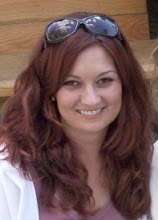
| Photo: Casey Martin |
Celiac
disease can be a rough road, especially for children. They can’t eat the same
things other children eat. Other kids and even adults may not understand that
something that seems so normal to them, such as a cupcake or slice of pizza,
can cause serious pain for a child with celiac disease. But once someone with the
disease adjusts to a new way of life, handling everyday activities becomes more
manageable. Celebrate Gettysburg asked
16-year-old McKenzie Shank of Dillsburg, who has been living with celiac disease
since 2005, how she focuses on life with celiac disease.
CG: Are you angry that you have
celiac disease?
MS: At
first, I was upset. But now I think it’s cool to have celiac disease. I’m
teaching my friends about it, and they will tell me if they see something at
the store that’s gluten-free. My family is [a] huge supporter. I’m really
positive.
CG: What special challenges do you
have that none of your classmates have?
MS:
Lunches. From sixth grade to now, I’ve had no single lunch ever at school. I
pack my lunch because I’m afraid of cross-contamination. When I was in
elementary school, I would take in a gluten-free pizza crust and a pan and the
kids would ask me what it is. They would ask me why I couldn’t have regular
food, and I would tell them I was allergic, but celiac disease isn’t an
allergy, it’s a disease. I just wanted to stand in line like everyone else, but
I couldn’t. I also have to take my own food everywhere.
CG: Do you read labels or do you
leave that up to your mom?
MS:
At about third grade, my mom taught me how to read labels. It’s second nature
to me now. If I see an ingredient I don’t understand, I’ll ask my mom. She has
done a lot of research about celiac disease.
CG: How do you handle eating at a
restaurant?
MS:
We go online and do research beforehand. We look at the menu. Most restaurants
are open to gluten-free diets, but some don’t know what we’re talking about.
I’m afraid of cross-contamination, so sometimes I get up and leave because I
don’t want to make everyone else miserable. I don’t eat out a lot.
CG: Do you ever intentionally or
accidentally deviate from your diet?
MS:
During sports season, soccer and track and field, I’m strict. I know the
consequences. But other times, if I really want something, maybe I’ll eat it.
Then I will have bloating or I get dizzy. My cheeks might flush and I’ll get a
rash. I’ll have stomach pain. It takes a full day to get out of my system.
CG: You are planning a career in
medicine. How will you avoid the possibility of cross-contamination in the
college campus restaurant?
MS:
I hope to find a college that will accommodate my special diet. Celiac disease
is more prominent now. I was at the University of North Carolina for 10 days last
year and the chef understood my special needs. I know that more and more colleges
will offer foods that are gluten-free.
CG: What advice do you have for
other kids with celiac disease?
MS:
Embrace it. You have it and can’t get rid of it. Educate people so they can
educate other people. Be positive.
Coping with Celiac Disease
- Work with a registered dietitian. That way, you’ll be sure to meet all your nutritional needs while totally eliminating gluten from your diet.
- When in doubt, ask. Call food companies and ask them about their manufacturing process and the steps they take to ensure gluten-free products.
- Watch the cost. Gluten-free products tend to be more expensive than foods with gluten. Bargain shopping and coupons come in handy when you cut gluten out of your diet.
- Ask your pharmacist to find out if your medications contain gluten. If they do, ask your health care provider about alternatives.
- A gluten-free diet is not a weight loss diet. Weight loss is simple math and occurs when a person burns off more calories than they are consuming. A gluten-free diet can contribute to excess calories, just like a gluten-containing diet can.
Source: WebMD